
Tourism Strategy
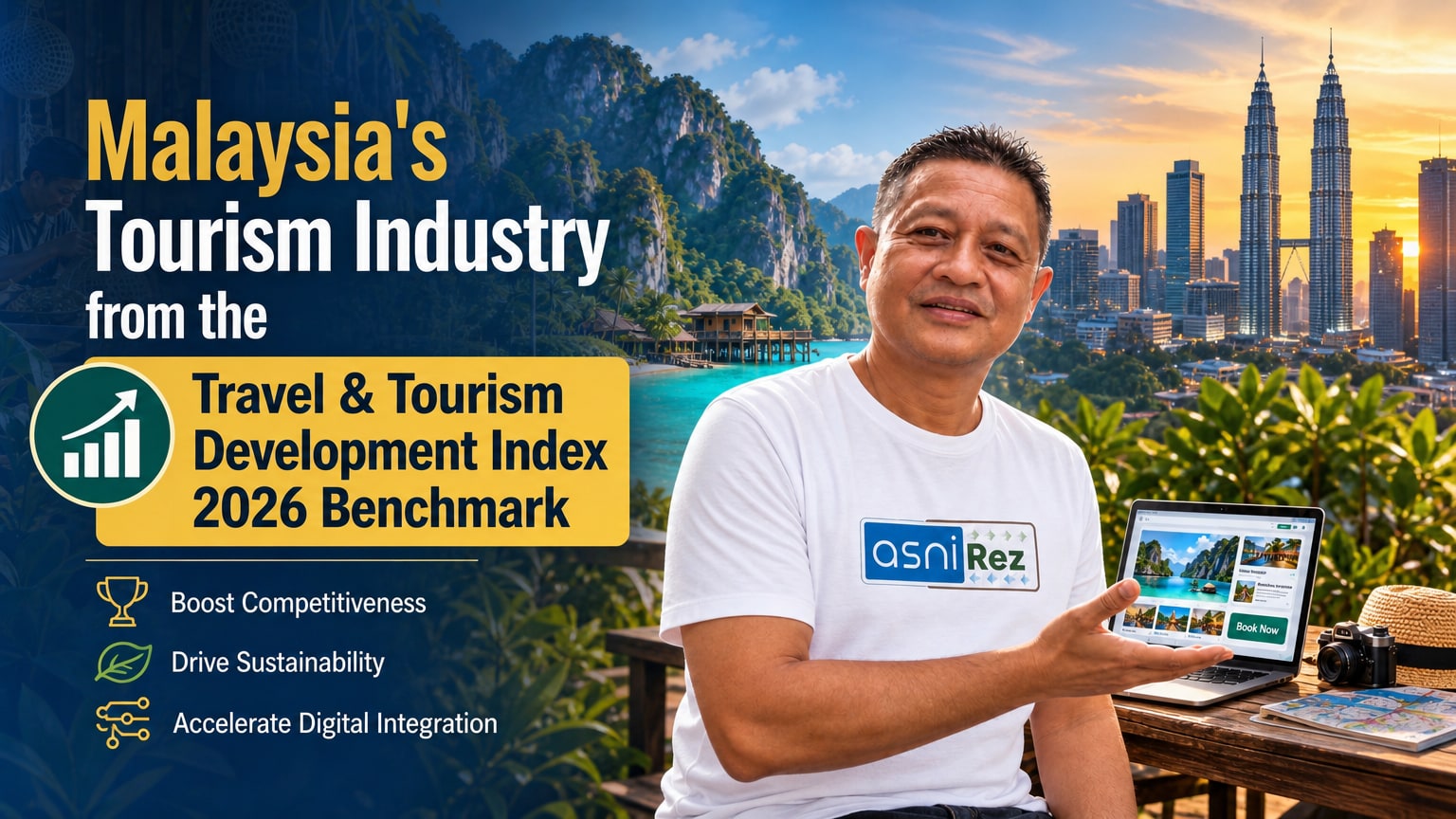
Key Takeaways for Malaysia's Tourism Industry from the TTDI Benchmark
Discover strategic takeaways for Malaysian tourism operators and policymakers to boost competitiveness, sustainability, and digital integration in global travel.
I just read Travel & Tourism Development Index Report and here are my personal takeaway points.
For Malaysian tourism stakeholders—spanning hotel operators, tour agencies, destination marketers, and public planners—benchmarks established by international travel and tourism development assessments provide a clear roadmap.
To capture high-value travellers and navigate regional competition within Southeast Asia, the domestic sector must adapt its offerings to meet evolving standards in sustainability, digital adoption, and visitor management.
1. Prioritising Environmental Sustainability and Preservation
Natural assets remain one of Malaysia's strongest draws, from ancient rainforests in Borneo to pristine marine ecosystems along the eastern coast. However, global indices increasingly evaluate destinations not just on the presence of natural assets, but on conservation policies, environmental management, and resource sustainability.
Key steps for industry operators include:
Eco-certifications: Hospitality businesses must pursue transparent environmental accreditations, actively reducing single-use plastics, managing food waste, and auditing energy footprints.
Carrying capacity management: Popular ecotourism destinations must monitor and restrict foot traffic to sensitive ecological sites to prevent overtourism and habitat degradation.
Community-led conservation: Partnering with indigenous and local communities creates regenerative tourism models where travel revenues directly fund biodiversity protection.
2. Accelerating Digital Readiness and Smart Tourism
Modern international travellers demand frictionless, tech-enabled journeys. A destination's competitiveness hinges heavily on digital ecosystem readiness, including digital payment acceptance, integrated booking platforms, and high-speed mobile connectivity.
To close existing digital gaps, Malaysian travel businesses should:
Integrate modern payment gateways: Ensure cross-border e-wallets, contactless transactions, and multi-currency payment solutions are supported beyond major urban centres.
Adopt AI and data-driven marketing: Use hyper-personalised marketing and predictive data to understand source market preferences, optimise booking conversions, and manage seasonal flow.
Digitise visitor services: Invest in real-time transit apps, multilingual digital audio guides, and virtual ticketing systems for cultural and heritage landmarks.
3. Upgrading Transport Infrastructure and Intermodal Connectivity
While gateway infrastructure like major international hubs remains reliable, regional dispersal remains a critical challenge. For secondary and tertiary destinations across Peninsular and East Malaysia, last-mile connectivity is vital to spread economic benefits evenly.
Stakeholders must collaborate to improve domestic connectivity by:
Promoting multi-modal transit passes that seamlessly link rail, bus, and ferry lines for independent international visitors.
Encouraging regional low-cost and boutique airline routes that connect international arrivals directly to emerging leisure clusters.
Improving public transit signage, scheduling accuracy, and accessibility for disabled and senior travellers.
4. Elevating Cultural and Intangible Heritage Offerings
While natural beauty draws tourists, cultural depth fosters longer stays and higher expenditure. Malaysia holds a distinct advantage with its diverse culinary scene, vibrant multicultural festivals, and historic architecture, but these assets often remain under-monetised or under-packaged.
Tourism players can enhance competitiveness by shifting focus from passive sightseeing to immersive cultural engagement. Developing culinary trails, hands-on craft workshops, and certified heritage walking tours allows travellers to connect meaningfully with living cultures. Furthermore, greater support must be extended to preserving traditional arts and historical urban zones.
5. Building Workforce Resilience and Service Excellence
Tourism is fundamentally a people-centric industry. Global assessments routinely highlight human capital and labour market resilience as critical indicators of long-term destination viability. Post-pandemic labour shifts have made service quality consistency a priority challenge.
Addressing talent gaps requires a targeted commitment to workforce development:
Upskilling programmes: Training staff in customer experience excellence, digital hospitality tools, and cross-cultural communication.
Career path development: Rebranding the hospitality sector to attract young local talent through fair compensation, safety, and leadership opportunities.
Service standardisation: Establishing uniform service benchmarks across homestays, private transport operators, and boutique accommodations.
Moving Towards a High-Value Tourism Model
The imperative for Malaysia’s travel and tourism sector is clear: long-term success will not be measured solely by headline arrival numbers, but by tourist yield, average length of stay, and the preservation of socio-cultural and environmental resources. By embedding sustainability, accelerating digital adoption, and championing authentic heritage, Malaysian tourism players can secure a competitive, future-proof standing in global travel.
- #malaysia tourism
- #sustainable travel
- #tourism strategy
- #hospitality industry
- #destination management
- #travel trends